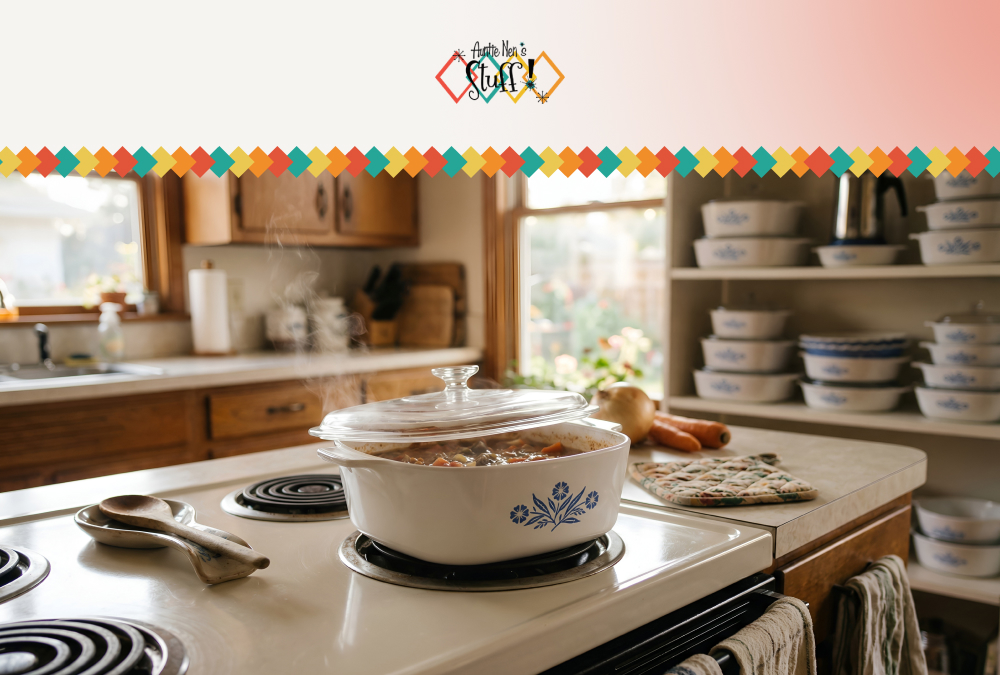
Vintage CorningWare is a line of glass-ceramic bakeware made by Corning from the 1950s through the 1990s. It is valued for its ability to withstand extreme temperatures, going from the freezer directly to the oven without cracking. Common patterns include the blue cornflower, spice of life, and French White. Unlike modern stoneware, vintage CorningWare resists chipping and does not absorb odors. Collectors and home cooks prize it for its durability, timeless style, and even heating properties. You can find authentic pieces at thrift stores, estate sales, and online marketplaces like eBay or Etsy.
You see them at thrift stores. Those white dishes with the blue cornflowers. Or maybe the floral patterns from the 1970s. People walk past them. But if you know what to look for, vintage CorningWare is one of the best things you can cook with.
It bakes evenly. It goes from the oven to the table. And it lasts forever.
I’ve been collecting and cooking with vintage CorningWare for years. My mother used it. Her mother used it. There’s a reason these dishes are still around. They work.
This guide covers how to bake with vintage CorningWare, what patterns to look for, and why it’s worth adding to your kitchen.
What Makes Vintage CorningWare Special
CorningWare was made from a material called Pyroceram. It was developed by accident in the 1950s. A scientist at Corning was trying to create heat-resistant glass for missile nose cones. Instead, he created a glass-ceramic that could handle extreme temperatures.
That material became CorningWare.
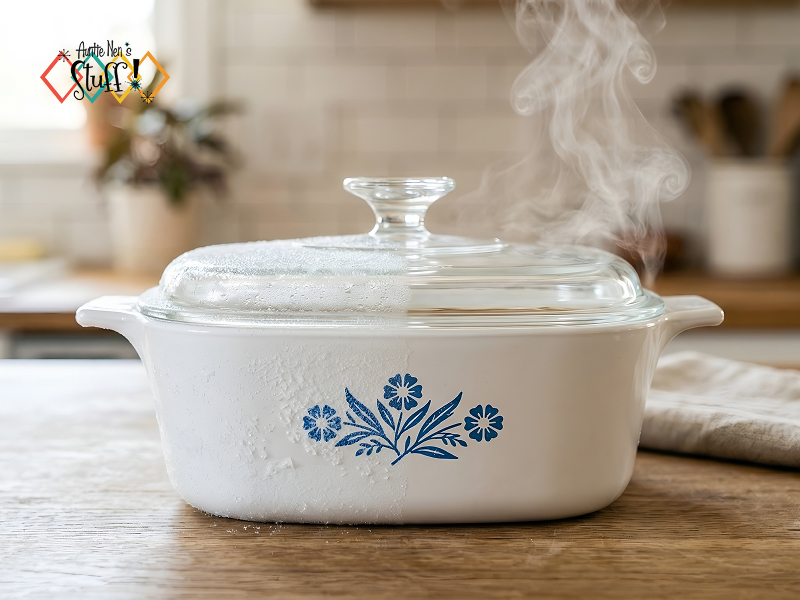
Pyroceram is different from ceramic or stoneware. It doesn’t expand or contract much with heat changes. That means you can take a dish from the freezer and put it straight into a hot oven. It won’t crack. Most modern bakeware can’t do that.
The material also heats evenly. No hot spots. Your casseroles and baked dishes come out consistent.
And it’s durable. I have pieces from the 1960s that look almost new. They’ve been through countless meals, moves, and dishwasher cycles. They still perform perfectly.
Best Patterns for Baking and Collecting
CorningWare released many patterns over the years. Some are more common. Others are rare and collectible.
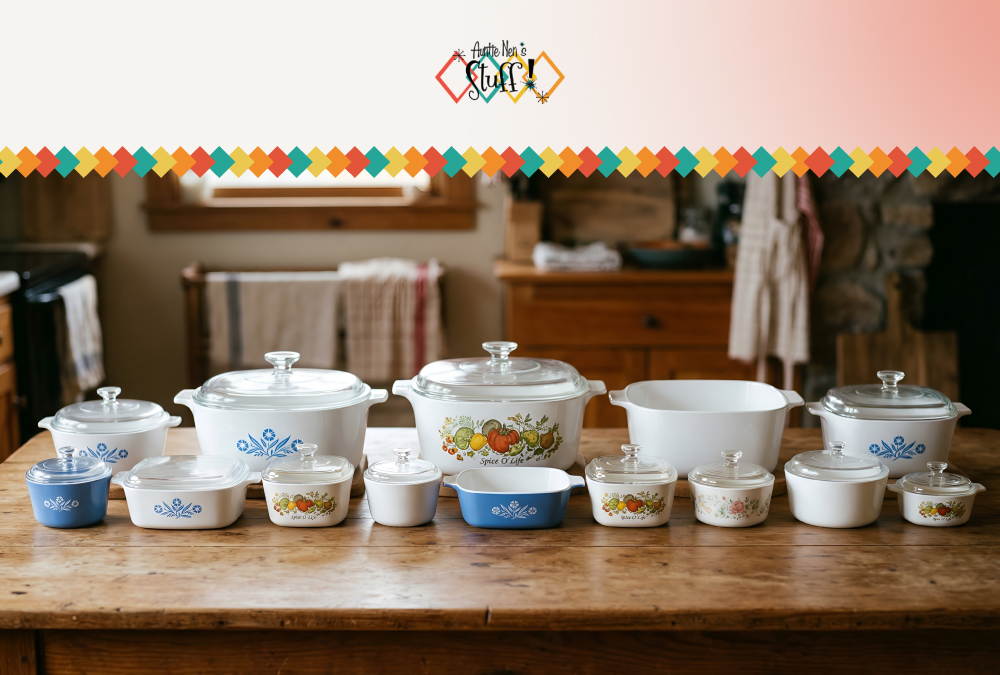
Blue Cornflower: This is the classic. White dish with a simple blue cornflower design. It was the first pattern released in 1958. It stayed in production for decades. You can find it easily at thrift stores. It’s affordable and reliable.
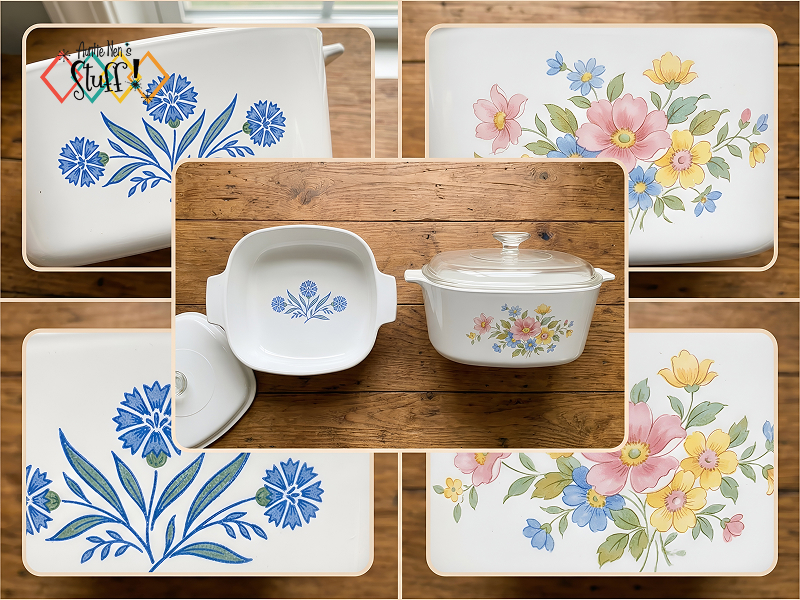
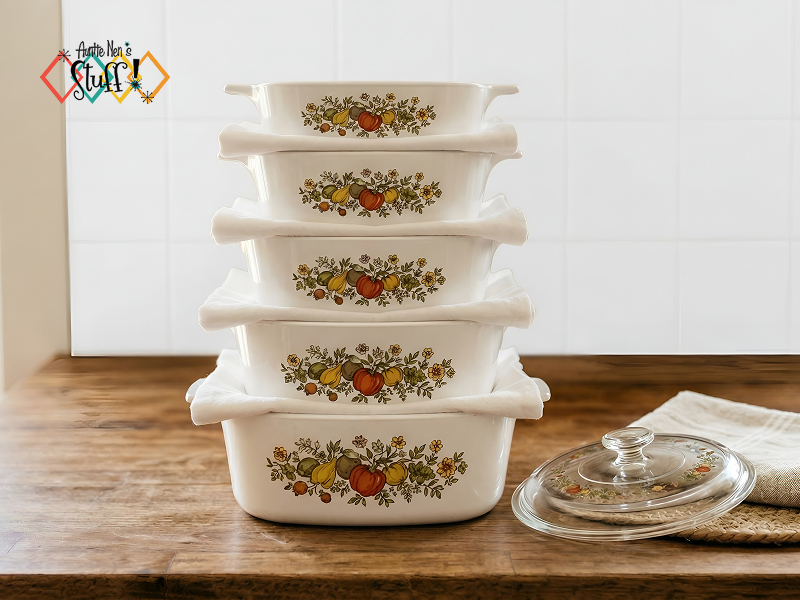
Spice of Life: Released in the 1970s. This pattern has vegetables, herbs, and spices printed on it. It’s very 1970s in style. Some people love it. Others don’t. But it’s durable and easy to find.
Floral Bouquet: A prettier pattern from the 1970s and 1980s. It has soft pink and yellow flowers. It’s a bit harder to find than Cornflower or Spice of Life. But it’s still reasonably priced.
French White: Plain white with no pattern. This was made from the 1980s into the early 2000s. It’s a clean look. It matches modern kitchens well. French White pieces often came with glass lids.
Wildflower: A later pattern from the 1990s. It has colorful flowers and a more modern feel. Some collectors seek it out. Others stick to older patterns.
If you want to bake in style, focus on function first. The pattern doesn’t affect how the dish cooks. Buy what you like to look at.
How to Bake with Vintage CorningWare
Using vintage CorningWare is simple. But there are a few things to know.
Temperature limits: Vintage CorningWare can handle most oven temperatures. It’s safe up to 450°F. Some sources say 500°F. But I keep it under 450°F to be safe. The clear glass lids that come with some pieces are usually safe to 350°F. If you are roasting at high heat, remove the lid.
No stovetop use: Pyroceram is oven-safe. But it is not meant for direct flame or electric stovetop burners. The sudden direct heat can cause cracking. Use it in the oven or microwave only.
Freezer to oven: This is where CorningWare shines. You can assemble a casserole, freeze it, and then put it directly into a preheated oven. No need to thaw. This makes meal prep easy.
Cleaning: Most vintage CorningWare is dishwasher safe. The patterns are baked into the glass. They don’t fade easily. But if you want to keep your pieces looking new, hand washing is gentler. Avoid using steel wool. It can scratch the surface over time.
Check for damage: Before buying used CorningWare, inspect it. Look for chips on the rim. Check for cracks. Small surface scratches are fine. But cracks can get worse in the oven. Don’t buy pieces with deep cracks.
Where to Find Vintage CorningWare
You don’t need to spend a lot to build a collection.
Thrift stores: This is my go-to spot. Goodwill, Salvation Army, and local charity shops. I find Cornflower pieces all the time. Prices are usually $5 to $15 per piece.
Estate sales: Estate sales are great for finding sets. Older homeowners often have full collections. You can buy a matching set of casseroles for a fair price. Check estate sale listings online in your area.
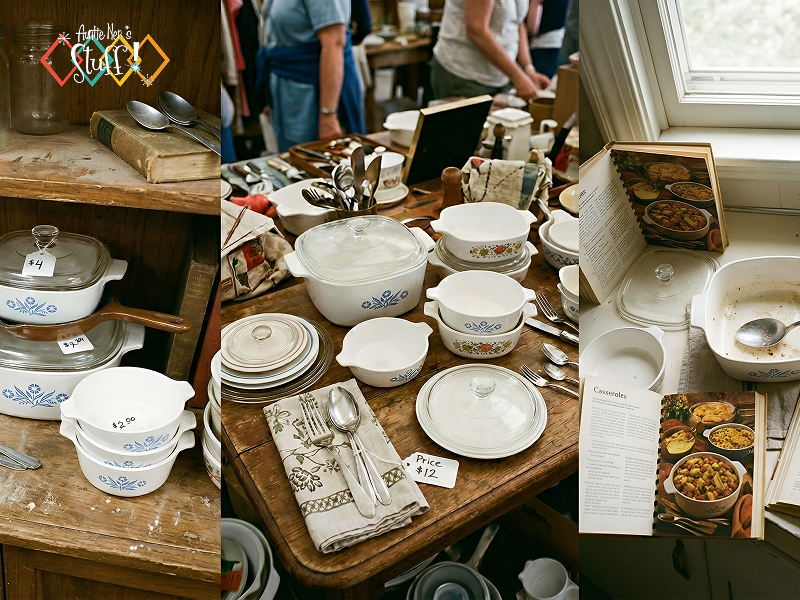
Facebook Marketplace: People sell their parents’ or grandparents’ CorningWare collections here. You can find good deals. But you have to act fast. Popular pieces go quickly.
eBay and Etsy: These sites are good for finding rare patterns. You can also find specific sizes or lids you are missing. Prices are higher than thrift stores. But the selection is better.
Antique malls: Some antique malls have booths dedicated to vintage kitchenware. Prices are usually marked up. But you can see the pieces in person before buying.
Vintage CorningWare vs. Modern Bakeware
I own both vintage and modern bakeware. Each has its place. But vintage CorningWare has clear advantages.
Durability: Modern stoneware and ceramic can chip easily. Pyroceram is much tougher. I’ve dropped vintage CorningWare on the floor. It survived.
Heat resistance: Many modern casserole dishes cannot go from freezer to oven. They crack. Vintage CorningWare handles this without issue.
Style: Vintage patterns have character. They look good on the table. Modern bakeware often looks plain or overly trendy. A cornflower dish on a wooden table looks timeless.
Price: Good vintage pieces are often cheaper than new stoneware. You can get a full set of vintage dishes for less than the cost of one new ceramic dish.
The only downside is lids. Some vintage pieces are missing their lids. Finding a matching lid can take time. But you can use foil in a pinch.
Caring for Your Collection
Vintage CorningWare is tough. But it still needs care.
Avoid thermal shock: Even though it resists temperature changes, don’t push it. Don’t put a hot dish directly on a wet counter. Use a trivet or towel.
Watch for fading: The patterns are durable. But years of harsh dishwasher cycles can fade them. If you have a piece you love, hand wash it.
Store with care: Stacking dishes is fine. But put a paper towel or cloth between them. This prevents scratches on the surface.
Replace lids: If a glass lid breaks, look for a replacement. You can often find lids sold separately online. Some modern CorningWare lids fit vintage pieces.
Recipes That Work Well
Some dishes just work better in vintage CorningWare.
Casseroles: This is what CorningWare was made for. Tuna noodle casserole, green bean casserole, baked mac and cheese. The even heat gives you a consistent result.
Baked desserts: Fruit cobblers and crisps bake well. The dish heats evenly. The edges don’t burn while the middle stays underdone.
Roasted vegetables: A large CorningWare dish works for roasting root vegetables. The high sides contain everything. Cleanup is easy.
Baked pasta: Lasagna and baked ziti fit perfectly in the rectangular dishes. The glass-ceramic holds heat well. The food stays warm at the table.
No-knead bread: Some people use CorningWare for baking bread. The material can handle the high heat. A round casserole with a lid works like a Dutch oven.
| Category |
Details |
| Brand Origin |
Introduced in 1958 by Corning Glass Works |
| Material |
Pyroceram (glass-ceramic, highly durable) |
| Key Features |
Heat resistance, freezer-to-oven use, long lifespan |
| Popular Items |
Casserole dishes, pie plates, loaf pans, Dutch ovens |
| Top Patterns |
Blue Cornflower, Floral Bouquet, Spice O’ Life, Atomic Starburst |
| Identification Tips |
Check backstamp, pattern rarity, and material |
| Value Factors |
Condition, rarity, pattern, completeness of set |
| Collector Appeal |
Nostalgia, usability, vintage aesthetics |
| Modern Use |
Cooking, serving, home décor, collecting |
| Investment Potential |
Rare pieces can sell for hundreds to thousands |
Final Thoughts
Vintage CorningWare is more than a trend. It’s good cookware. It has lasted decades for a reason.
If you are new to collecting, start with the Blue Cornflower pattern. It’s easy to find. It’s affordable. And it looks great in any kitchen.
Check your local thrift stores. Look for pieces with no chips or cracks. Buy a few sizes. A 1.5-quart round dish is good for sides. A 2-quart rectangular dish works for main courses.
And if you want to see some of the best vintage finds, check out Auntie Nen’s Stuff. They specialize in vintage kitchenware and often have hard-to-find CorningWare patterns in excellent condition. It’s a good resource for collectors who want quality pieces without spending hours hunting.
Baking with vintage CorningWare is simple. It’s reliable. And it adds style to your kitchen. You don’t need expensive new bakeware to cook well. Sometimes the old stuff works better.
FAQs
Q1) What is vintage CorningWare and why is it popular?
Vintage CorningWare is a line of cookware made from durable glass-ceramic (Pyroceram) introduced in 1958. It remains popular due to its heat resistance, nostalgic designs, and long-lasting durability, making it both functional and collectible.
Q2) How can you identify authentic vintage CorningWare?
You can identify genuine vintage CorningWare by checking the backstamp, material (Pyroceram), and pattern. Pieces made before 1998 usually have “Corning Ware” and “Made in USA” markings, which indicate authenticity and higher value.
Q3) Which vintage CorningWare patterns are most valuable?
Rare patterns like Atomic Starburst, Floral Bouquet, and Blue Cornflower are highly sought after. The value increases based on rarity, condition, and completeness of the set, with some pieces selling for hundreds or even thousands of dollars.
Q4) Is vintage CorningWare safe to use for cooking?
Yes, original Pyroceram CorningWare is safe for use in ovens, microwaves, and even stovetops due to its thermal shock resistance. However, newer stoneware versions are less versatile and not suitable for stovetop use.
Q5) Why do collectors invest in vintage CorningWare?
Collectors value vintage CorningWare for its nostalgia, unique designs, durability, and potential resale value. Rare pieces and complete sets can significantly appreciate over time, making them both sentimental and financial investments.