You might not realize it, but that old Vintage CorningWare tucked away in your cupboard could be worth far more than you think. While some pieces fetch just a few dollars, others are among the most coveted collectibles of their era — and can sell for thousands. So how do you know what you’ve got? Let’s walk through the signs that separate an everyday casserole from a true collector’s prize.
Why Is CorningWare So Important and Unique?
When CorningWare first hit the market in the late 1950s, it was revolutionary. Made from Pyroceram, it could move seamlessly from oven to stovetop to fridge something unheard of at the time. It quickly became a staple in family kitchens. I remember walking into my grandmother’s kitchen and seeing those Blue Cornflower dishes holding everything from pies to casseroles. They weren’t just cookware — they were part of the warmth and rhythm of family life.
Today, vintage CorningWare is loved for both its durability and its nostalgia factor. Collectors will pay top dollar for certain patterns and pieces.
Recognizing Distinct Styles and Patterns
The first step in valuing your CorningWare is identifying the pattern. Some designs are far rarer and more desirable than others.
Blue Cornflower: iconic and always in demand, though it was widely produced.
Bluebelle, Autumn, Spring Blossom: less common and often more valuable.
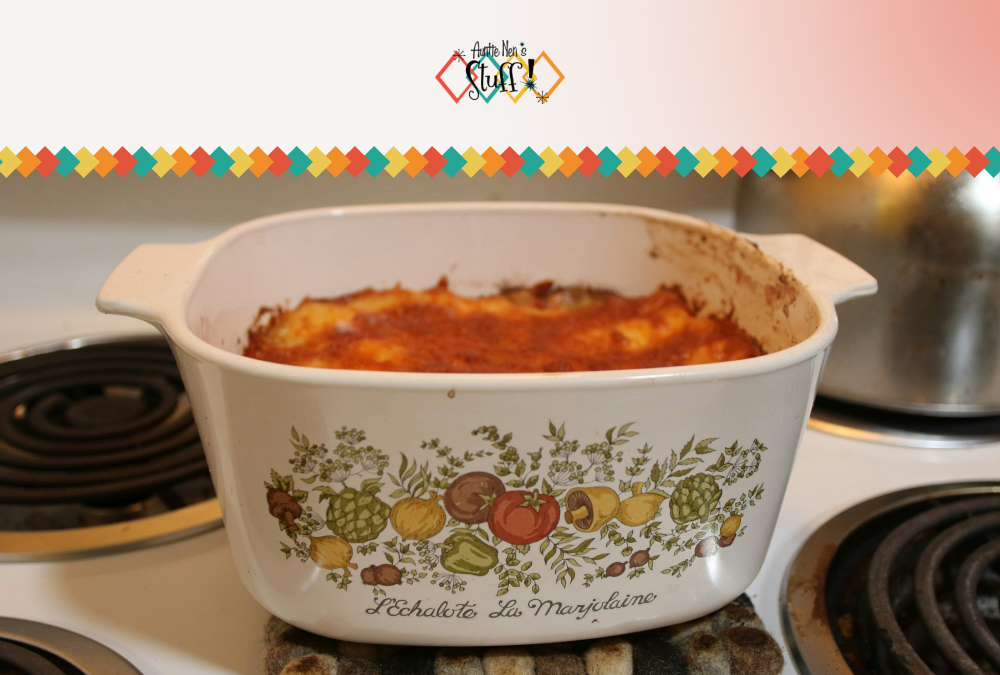
Wildflower, Spice of Life: limited-run designs that can fetch strong prices.
I once knew someone who inherited Bluebelle pieces, thinking they were ordinary cookware only to learn they were sought-after rarities worth much more than expected. Collectors also look for original markings, such as early ‘CorningWare’ stamps or ‘Pyroceram’ logos, which help date a piece and establish authenticity.
The Condition Matters
Like any collectible, condition plays a huge role in value. A casserole dish with a chipped rim or missing lid is worth less than one in pristine condition. That said, minor scratches don’t automatically make a piece worthless. I’ve sold scratched CorningWare before — it was still valuable, just not top-tier. The key is to assess whether the wear impacts display or use.
When cleaning, go gentle. Harsh abrasives or chemical strippers can damage the finish or even remove patterns. A light wash with warm soapy water is usually best.
Rarity and Limited Edition Pieces
Some CorningWare was mass-produced, while others were released in limited quantities. Rarity plays a huge role in value. For example, while Blue Cornflower is beloved, it isn’t particularly rare meaning it usually doesn’t fetch thousands. Meanwhile, patterns like Spice of Life or Wildflower can command far higher prices when in excellent condition.
I had a relative who picked up a rare Spice of Life dish at a garage sale for almost nothing. After researching, they realized it was a limited edition and sold it for several hundred dollars. Even small or unusual pieces, like rare lids or petite bakers, can be surprisingly valuable.
The Age of the Piece
Generally speaking, the older the CorningWare, the more valuable it is especially if it dates back to the first decades of production (1958 through the 1970s). Early pieces often feature different stamps and logos, which can help you identify them. Anything tied to those first years of production is worth a closer look.
Where to Sell Your Vintage CorningWare
Once you’ve identified and assessed your pieces, you’ll need to decide how to sell them. Options include:
Online marketplaces like eBay and Etsy, where you can compare prices on similar items.
Antique shops or specialty dealers, who may value convenience over top dollar.
Auctions and estate sales, which can yield high returns if the right buyers are present.
A friend of mine once sold a full set of vintage CorningWare through an antique store. They didn’t get the highest price possible, but it was quick and hassle-free. For maximum profit, direct-to-collector sales often online are the best route.
| Pattern Name |
Production Years |
Rarity Level |
Estimated Value Range (USD) |
Key Identifying Features |
| Spice of Life (L’Echalote) |
1970–1987 |
Rare |
$100 – $3,000 |
French script text “L’Echalote” on front, clear lid, white base |
| Blue Cornflower |
1958–1988 |
Common |
$20 – $200 |
Blue floral motif on white base, most recognizable pattern |
| Floral Bouquet |
1971–1975 |
Moderate |
$75 – $400 |
Yellow/orange floral design, rectangular or round dishes |
| Wildflower |
1977–1984 |
Moderate |
$60 – $300 |
Bright orange and yellow daisies on white surface |
| Nature’s Bounty |
1971–1975 |
Rare |
$200 – $1,200 |
Fruit and vegetable illustrations; limited production run |
| French White Series |
1978–Present |
Common |
$25 – $150 |
All-white porcelain look, oven-to-table design |
| Renaissance Pattern |
1970–1974 |
Very Rare |
$500 – $2,000 |
Intricate brown and gold scroll motif, collectors’ favorite |
| Just White (Unmarked Prototypes) |
Late 1950s |
Extremely Rare |
$1,000 – $5,000+ |
No printed pattern, early prototype pieces |
Conclusion
If you’ve got vintage CorningWare, take the time to research what you have. Age, rarity, condition, and pattern all affect value sometimes pushing a piece from a few dollars to a few thousand. Whether you decide to sell or hold onto them for nostalgia, CorningWare pieces are more than cookware they’re history you can hold in your hands.
Read Also: 10 Midcentury Modern Kitchen Ideas for Your Home
FAQs
Q1) How can I identify the pattern on my vintage CorningWare to know if it’s rare?
Check the bottom of your piece for the model number and stamp, then match it to collector resources like “CorningWare Marks & Mayhem”. Patterns like Spice of Life, Floral Bouquet or Wildflower tend to carry higher value.
Q2) Does good condition mean my vintage CorningWare is definitely worth thousands?
Not necessarily. Condition matters—a piece must be free of chips, cracks, discoloration and should include the original lid to maximize value. However, many pieces listed for thousands never actually sell for that much—real sold prices are often much lower.
Q3) What price range should I realistically expect for collectible CorningWare pieces?
For many vintage CorningWare pieces, market prices tend to range in the tens to low-hundreds of dollars. Truly rare pieces might reach into thousands, but these are exceptions and depend on pattern, provenance and demand.
Q4) Where should I verify or sell a valuable vintage CorningWare piece?
First, research “sold” listings on trusted platforms (e.g., eBay, Etsy) to confirm real market value. Then consider consulting a specialist antique dealer, using auction houses or trusted resale platforms that cater to collectible cookware. Be wary of listings with inflated claims but no documented sale.