There’s a question that’s been simmering in kitchen design circles for years now, and as we move deeper into 2025, it’s only getting more relevant: Are retro kitchen appliances just a nostalgic fad, or are they here to stay?
If you’re dreaming of a cheerful Smeg refrigerator or a sleek, vintage-style stand mixer but worry it might look dated in a few years, you’re not alone. I’ve helped countless homeowners navigate this exact dilemma.
Here’s the short answer: Yes, retro kitchen appliances are absolutely still in style in 2025. But they’ve evolved. They’re no longer just about nostalgia; they’re about personality, quality, and a refreshing break from sterile, minimalist design.
Let’s explore why this trend has such staying power and how you can incorporate retro flair into your kitchen without it feeling like a theme park exhibit.
Why Retro Design is More “Timeless” Than “Trendy”
The return of retro appliances isn’t a coincidence. In our increasingly digital and fast-paced world, people are craving warmth, character, and a sense of history in their homes, the very things that vintage-inspired designs deliver in spades.
Think about it: We spend hours staring at sleek, black glass screens on our phones and computers. Coming home to a kitchen filled with soft, rounded edges, cheerful colors, and tactile controls feels like a warm hug. It’s a design rebellion against cold, impersonal modernity.
This isn’t just my opinion, it’s a movement often called “warm minimalism” or “post-modern nostalgia.” It’s about blending the best of the past with the convenience of the present.
The 2025 Retro Revival: What’s Hot Right Now
The retro aesthetic has matured. We’re moving beyond simple replication into more sophisticated and personalized expressions.
Curved Lines and Rounded Edges
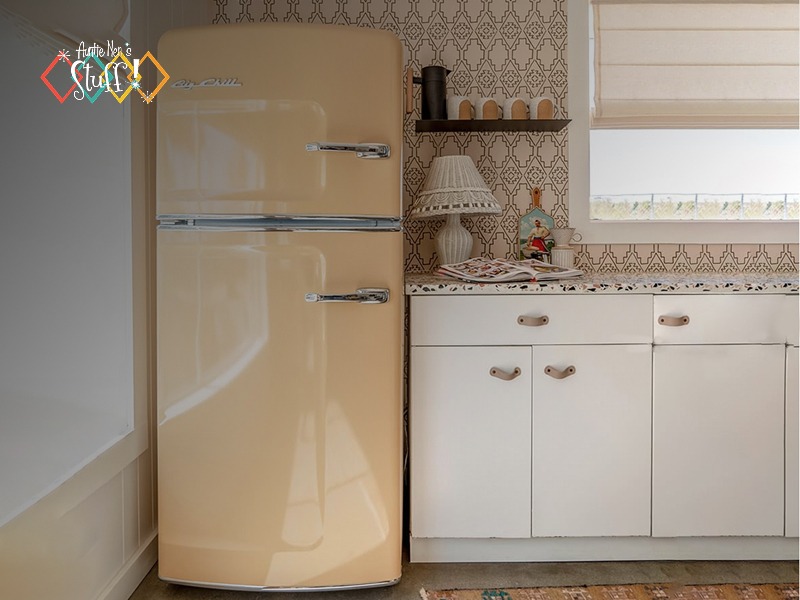
Forget the sharp, boxy silhouettes of the last decade. The most sought-after retro kitchen appliances in 2025 feature soft, rounded corners and gentle curves. This organic feel is easier on the eyes and creates a more welcoming atmosphere. It’s a direct callback to the optimistic, space-age designs of the 1950s.
Earthy & Muted Color Palettes
While the classic cherry red and pastel blue are still popular, the trend is shifting toward more nuanced hues. Think:
- Sage Green
- Terracotta
- Mustard Yellow
- Creamy Off-White
These colors feel retro yet completely current, blending seamlessly with other popular design trends like organic modern and Japandi.
Statement Pieces Over Full-Set Themes
Gone are the days of trying to recreate a perfectly period-accurate kitchen. The modern approach is all about the “statement appliance.” This means choosing one or two hero pieces—like a colorful range or a retro-style toaster and pairing them with more neutral, contemporary cabinets and countertops. This creates focus and prevents the space from feeling like a museum.
The Best of Both Worlds: Modern Tech in Vintage Clothing
This is the secret sauce that makes retro kitchen appliances so viable today. Companies like Smeg, Big Chill, and Nordic Retro have perfected the art of hiding 21st-century engineering inside beautiful mid-century shells.
What to look for:
- Energy Efficiency: Modern retro fridges often exceed ENERGY STAR standards.
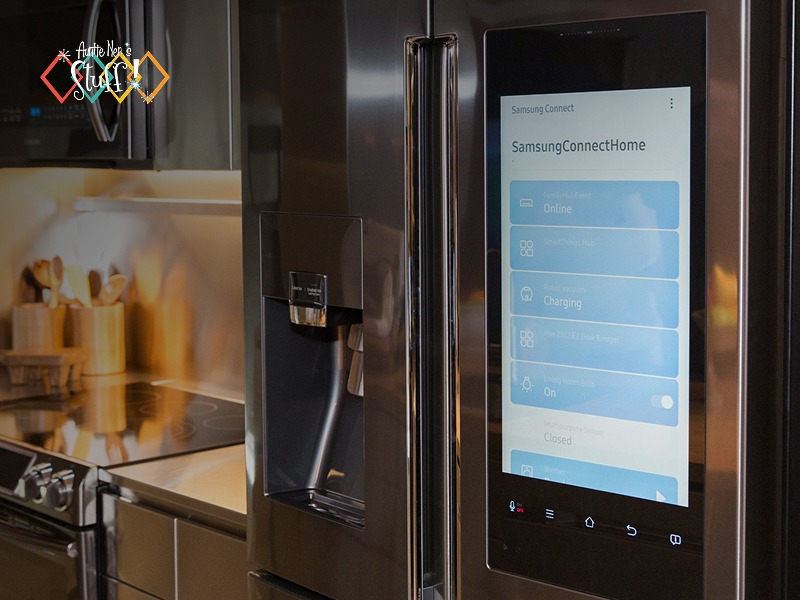
- Smart Features: Many offer Wi-Fi connectivity and precision temperature control.
- Ease of Cleaning: Smoother surfaces and fingerprint-resistant coatings.
- Reliability: Improved motors and components mean they’re built to last.
You truly don’t have to sacrifice performance for style. The best part? These updated classics often come with warranties and service networks that genuine vintage appliances lack.
How to Style Retro Appliances in a Modern Kitchen
The key to nailing this look is balance. You want a curated feel, not a chaotic one.
The “Anchor” Appliance Method
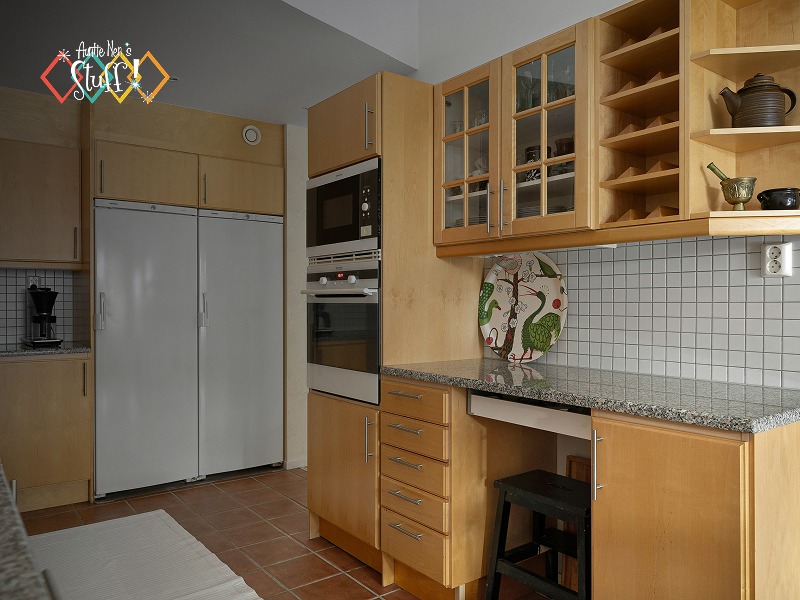
Choose one large appliance as your focal point. A retro refrigerator or a colorful range is perfect for this. Then, keep the rest of your kitchen’s palette neutral. White shaker cabinets, wood tones, and a simple subway tile backsplash let your statement piece truly shine without visual competition.
The “Small Appliance” Accent Strategy
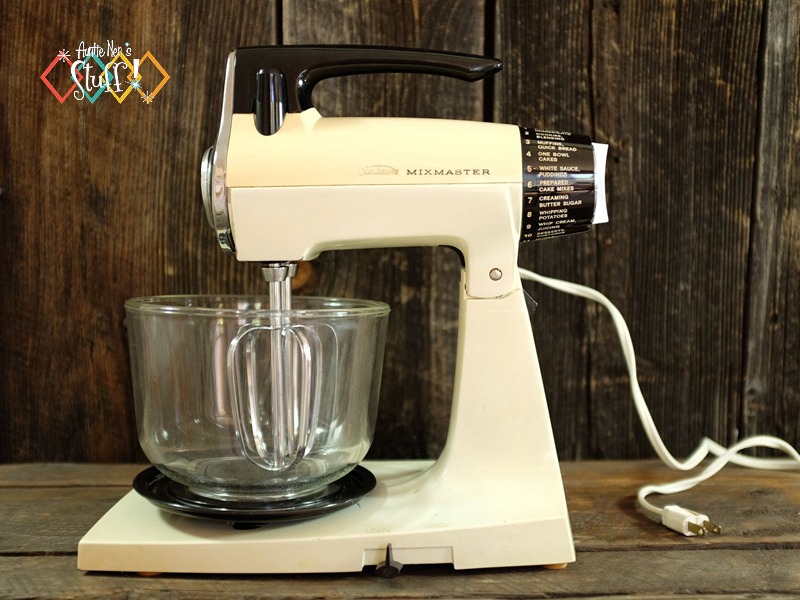
Not ready to commit to a big-ticket item? Start small! A vintage-inspired kettle, a classic stand mixer, or a retro microwave on your countertop can inject just the right amount of personality. I recently sourced a beautiful, butter-yellow stand mixer from Auntienen Stuff that became the perfect colorful accent in an otherwise all-white kitchen.
Mix Your Metals and Materials
Today’s design rules are made to be broken. Don’t be afraid to pair a cream-colored retro fridge with brushed brass cabinet pulls and stainless steel faucets. The mix of finishes adds depth and a collected-over-time feel that is very current for 2025.
A Word on Authentic Vintage vs. Retro-Modern
There’s a big difference between buying a brand-new “retro-style” appliance and hunting for a genuine vintage one.
- New Retro Appliances: Offer reliability, energy efficiency, and warranty. They’re a practical choice for a primary kitchen.
- Authentic Vintage Appliances: Carry undeniable charm and history but often require rewiring, refurbishment, and can be energy hogs. They’re a labor of love, best for secondary kitchens or serious collectors.
Potential Pitfalls to Avoid
While the retro trend is strong, a misstep can make your kitchen feel kitschy. Steer clear of:
- Over-Theming: Avoid matching every single item. A little goes a long way.
- Ignoring Function: Make sure the appliance has the features you need. A beautiful stove that can’t simmer properly is just a sculpture.
- Poor Placement: A large, colorful appliance needs space to breathe. Cramming it into a small nook can make the whole kitchen feel cramped.
The Verdict: Are They a Good Investment?
From a design perspective, yes. The retro trend is rooted in timeless principles of color, form, and emotional connection that never truly go out of style. Unlike some fleeting trends (avocado appliances, anyone?), the current interpretation of retro is more about aesthetic essence than period-specific replication.
This means your investment is likely to feel fresh and personal for years to come. You’re not buying a “costume” for your kitchen; you’re investing in character.
The Final Word
So, are retro kitchen appliances still in style in 2025? Resoundingly, yes. They represent a desire for kitchens that feel lived-in, joyful, and personal. They prove that our homes don’t have to be clinical to be modern.
In 2025, a stylish kitchen isn’t about blindly following trends; it’s about creating a space that tells your story. And if your story includes a little bit of nostalgic charm, then a retro kitchen appliance might just be the perfect co-author.
Frequently Asked Questions
Q1) Are retro kitchen appliances more expensive than standard stainless steel ones?
Often, yes. You’re paying for a specialized design and, frequently, smaller-scale production. However, prices have become more competitive as demand has grown.
Q2) What if I get tired of the color?
This is a valid concern! That’s why the “one statement piece” approach is so safe. If you choose a colorful fridge, it can always be repainted or replaced down the line much more easily than your cabinets or countertops.
Q3) Do retro kitchen appliances hold their value?
Well-made retro-style appliances from reputable brands tend to hold their value very well, especially because their design is not tied to a fleeting micro-trend. Authentic, fully restored vintage appliances can also be quite valuable to the right buyer.
Q4) Can I integrate a retro fridge into a smart home?
Absolutely. Many modern retro-style appliances now come with smart features like Wi-Fi connectivity, allowing you to monitor temperatures and controls from your phone, just like their stainless-steel counterparts.