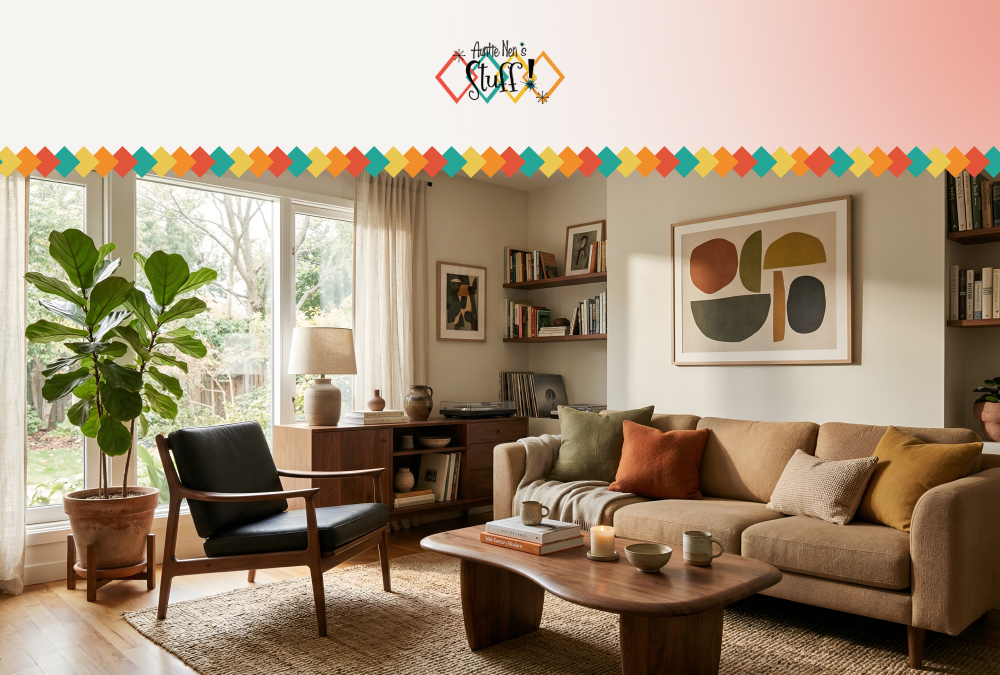
When you picture a suburb, what comes to mind? For many people, it’s rows of similar houses with pitched roofs and front lawns. But after World War II, a different kind of house started showing up in those new neighborhoods. These homes were low, horizontal, and looked nothing like the traditional styles that came before.
Mid century modern homes changed the way people thought about suburban living. They weren’t just houses. They were a new idea about how families could live.
What Made Mid Century Modern Different
Mid century modern architecture isn’t one single style. It’s more of a philosophy. The homes built between 1945 and the late 1960s shared a few key ideas.
Open floor plans were a big part of it. Walls came down. The kitchen, dining, and living areas flowed into one space. This let families be together even when doing different things. A parent could cook while kids did homework nearby.
Large windows were another signature feature. Architects wanted to bring the outdoors in. Glass walls and sliding doors made small yards feel like part of the house. Natural light filled these homes in a way that older styles couldn’t match.
Simple materials mattered too. Wood, stone, brick, and glass were used honestly. You could see the structure. Beams were left exposed. There was no fake ornament hiding how the house was built.
Why the Suburbs Were the Perfect Place
After the war, millions of veterans came home, started families, and needed housing. The suburbs grew fast to meet that need. Builders put up thousands of small houses on former farmland.
Most of those early suburbs used traditional designs. But some developers tried something different. They hired architects to design modern homes that could be built quickly and affordably.
The suburbs offered something cities couldn’t: land. Mid century modern homes needed space to stretch out. They were horizontal by design. A narrow city lot didn’t work well. But a quarter-acre in the suburbs gave architects room to work with.
The Indoor-Outdoor Connection
This might be the most important idea mid century modern brought to the suburbs. Architects wanted to erase the line between inside and outside.
They did this in practical ways. Patios became outdoor rooms. Overhanging roofs created sheltered spaces. Floor-to-ceiling glass made the backyard visible from everywhere in the house.
For families, this changed daily life. Kids could play outside while parents watched from the kitchen. Summer meals moved easily from stove to patio. The house felt bigger because the yard was part of it.
Affordable Modernism for Regular Families
One myth about mid century modern homes is that they were only for rich people. That’s not true. Some of the best examples were built for regular families on modest budgets.
Developers like Joseph Eichler in California and the builders of the Lustron homes in the Midwest proved modern design could be affordable. They used simple forms, standard materials, and efficient construction methods.
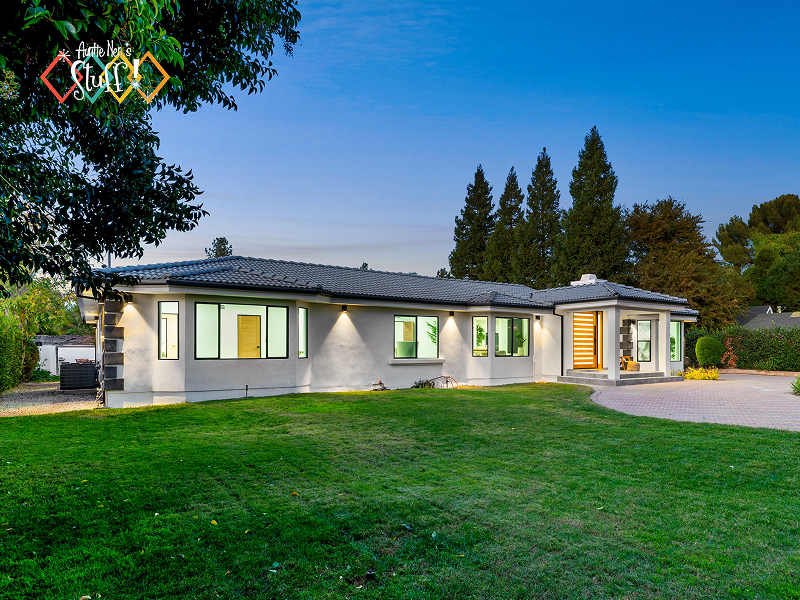
These homes weren’t custom builds for wealthy clients. They were options for teachers, office workers, and salesmen who wanted something different from the usual suburban house.
What Made These Neighborhoods Work
Mid century modern suburbs felt different from older neighborhoods. The streets were often curved, not grid-patterned. Houses were set back from the road. There were fewer front porches and more private backyards.
This was a shift from pre-war neighborhoods where people sat on front steps and watched the street. The new suburbs turned attention inward, toward the yard and the family room.
Some critics say this made suburbs isolating. But for many families, it was exactly what they wanted—privacy and space after years of crowded city living.
The Style That Almost Disappeared
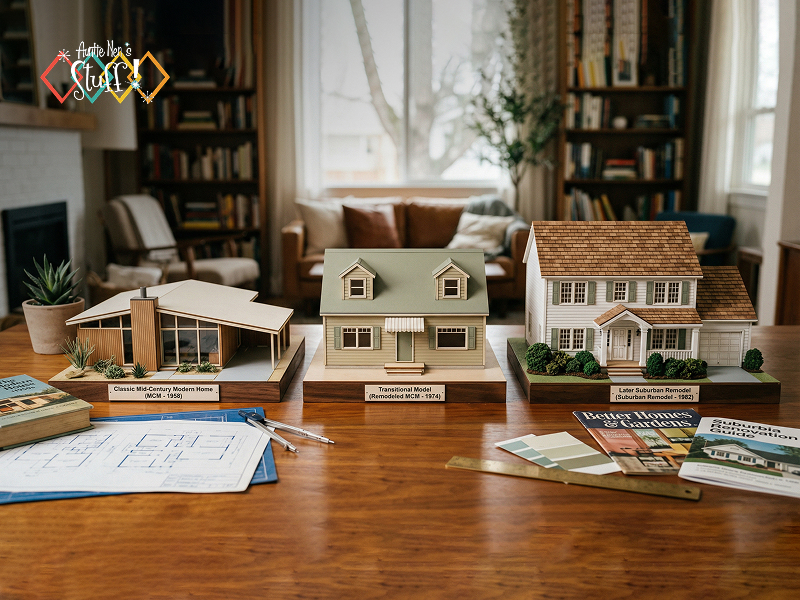
By the 1970s, tastes changed. Mid century modern fell out of fashion. Builders went back to nostalgic styles with fake shutters and pitched roofs. Many modern homes were torn down or remodeled beyond recognition.
People thought they looked dated. The open plans felt cold to some. The simple materials seemed cheap compared to traditional details.
But something interesting happened in the last twenty years. A new generation discovered these homes and fell in love with them.
Why People Want Them Again
Today, mid century modern homes are more popular than they’ve been since they were built. You see this in the real estate market. Well-preserved examples sell fast, often for more than surrounding houses.
Part of this is about looks. The clean lines and simple forms fit modern tastes. The open plans work perfectly for how we live now.
But there’s something deeper too. These homes feel honest. You can see how they’re put together. The materials are real. There’s no pretense.
I remember visiting a friend’s restored 1958 house in a Chicago suburb. The original owner had kept every detail—the built-in cabinets, the terrazzo floor, the colorful tile in the bathroom. Walking through it felt like stepping back in time. It reminded me of Auntie Nen’s Stuff, not because of any physical objects, but because of how carefully things had been preserved. Someone had treated this house the way you treat family heirlooms, with respect for what it meant.
Challenges of Owning One
If you’re thinking about buying a mid century modern home, you should know a few things.
Windows are a big issue. Those huge glass panels are beautiful, but they’re not energy efficient by today’s standards. Replacing them with modern glass that looks right is expensive.
Heating and cooling can be tricky. Open plans and single-pane glass make temperature control harder. Some owners add modern HVAC systems, but it takes careful planning.
Kitchens and bathrooms often need work. Original fixtures wear out. Finding replacements that fit the style takes effort.
Roofs are different. Low-pitch roofs don’t shed snow and water the way steep ones do. Maintenance matters more.
The Future of These Homes
Good news: more people care about preserving mid century modern architecture than ever before. Local historical societies now recognize these homes as worth protecting. There are tours, books, and websites dedicated to them.
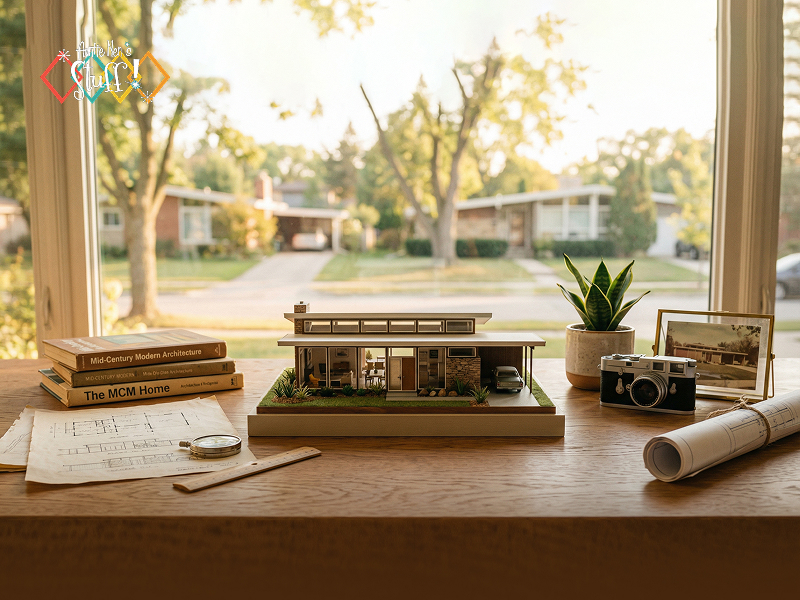
Young buyers are seeking them out. They appreciate the honest design and the connection to a hopeful moment in American history. These homes were built when people believed the future would be better. That optimism is built into every beam and window.
What We Can Learn
Mid century modern homes in the suburbs teach us something about how we want to live. They show that good design doesn’t have to be expensive or complicated. A house can be simple and still beautiful. It can be affordable and still thoughtful.
These homes also remind us that neighborhoods matter. The best mid century modern suburbs weren’t just collections of houses. They were communities built around an idea of family life that valued light, space, and connection to nature.
| Topic |
Summary |
| Definition of Mid-Century Modern Homes |
Mid-century modern homes are a post-World War II architectural style characterized by clean lines, flat or low-pitched roofs, large windows, open floor plans, and minimal ornamentation. |
| Historical Context |
These homes emerged as part of the suburban boom after WWII, when demand for affordable, efficient housing skyrocketed and modernist design was introduced to mainstream American homeowners. |
| Key Architectural Features |
Typical features include open floor plans, floor-to-ceiling windows that connect indoors with outdoors, use of natural materials like wood and stone, and seamless indoor-outdoor living spaces. |
| Why They Suited the Suburbs |
The style matched suburban ideals — family living, connection with nature, simple functionality — and was adaptable for tract and prefabricated housing developments across growing neighborhoods. |
| Design Philosophy |
Mid-century modern is rooted in the belief that form follows function. It emphasizes simplicity, natural light, and integration with the surrounding landscape without unnecessary decoration. |
| Influential Programs and Figures |
Programs like the Case Study House Program helped introduce the style broadly, and architects such as Richard Neutra, Charles and Ray Eames, and Eero Saarinen popularized it. |
| Cultural Impact |
The architecture reflected optimism and progress, shaping family life and suburban culture by encouraging open layouts and community-focused living. |
| Modern Relevance & Resurgence |
Mid-century modern homes continue to be popular due to their timeless aesthetics, adaptability to modern renovations, and enduring appeal in real estate. |
A Style Worth Keeping
The mid century modern homes scattered through American suburbs are more than architectural curiosities. They’re a record of a time when we asked different questions about how to live.
Today, as we rethink how much space we need and how our homes should work, those questions feel relevant again. Maybe that’s why these houses have found a second life. They still have something to teach us.
If you’re lucky enough to live in one, or to visit one, take a moment to look at how it’s put together. Notice the light, the flow of rooms, the way the outside becomes part of the inside. That’s not just architecture. That’s a way of thinking about home that still works sixty years later.
FAQs
Q1. What defines a mid-century modern home in the suburbs?
A mid-century modern home is an architectural style from roughly the 1940s–1960s characterized by clean lines, open floor plans, large windows, and a seamless connection between indoor and outdoor spaces. These homes emphasize simplicity, functionality, and integration with nature—qualities that made them popular in suburban developments after World War II.
Q2. Why are mid-century modern homes associated with suburban living?
Mid-century modern homes became closely associated with suburbs due to post-World War II housing demand. As families sought affordable, efficient housing outside cities, architects and developers embraced this style’s open layouts, flat roofs, and connection to outdoor spaces, making it ideal for suburban neighborhoods.
Q3. What are the key features of mid-century modern architecture?
Key features include flat or low-pitched roofs, floor-to-ceiling windows, open layouts, minimal ornamentation, and an emphasis on natural light and outdoor views. These design elements support functional living while enhancing visual harmony with the surrounding landscape.
Q4. How did mid-century modern design influence suburban house construction?
Mid-century modern design influenced suburban construction by encouraging prefabricated and tract homes that were affordable, efficient, and stylish. Programs like the Case Study House initiative promoted modern, easily built houses that could be widely replicated in growing suburban communities.
Q5. Where can you find examples of classic mid-century modern suburban neighborhoods?
Classic examples of mid-century modern neighborhoods include Hollin Hills (Virginia) and Peacock Farm Historic District (Massachusetts), where homes showcase the era’s signature architectural lines, integration with nature, and thoughtful planning—all hallmarks of mid-century modern design in suburban settings.