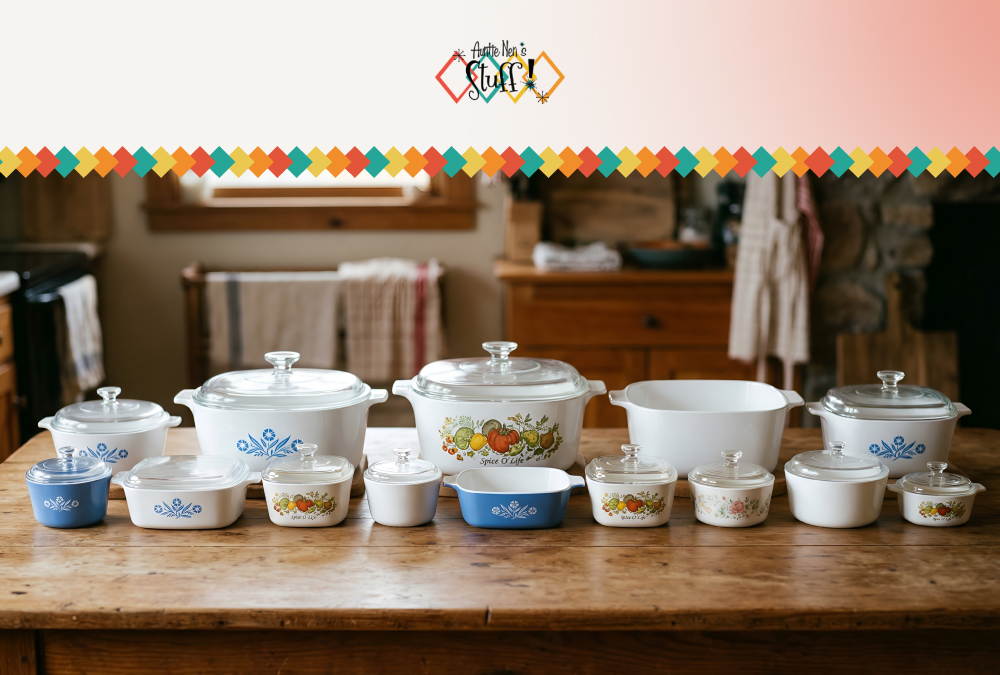
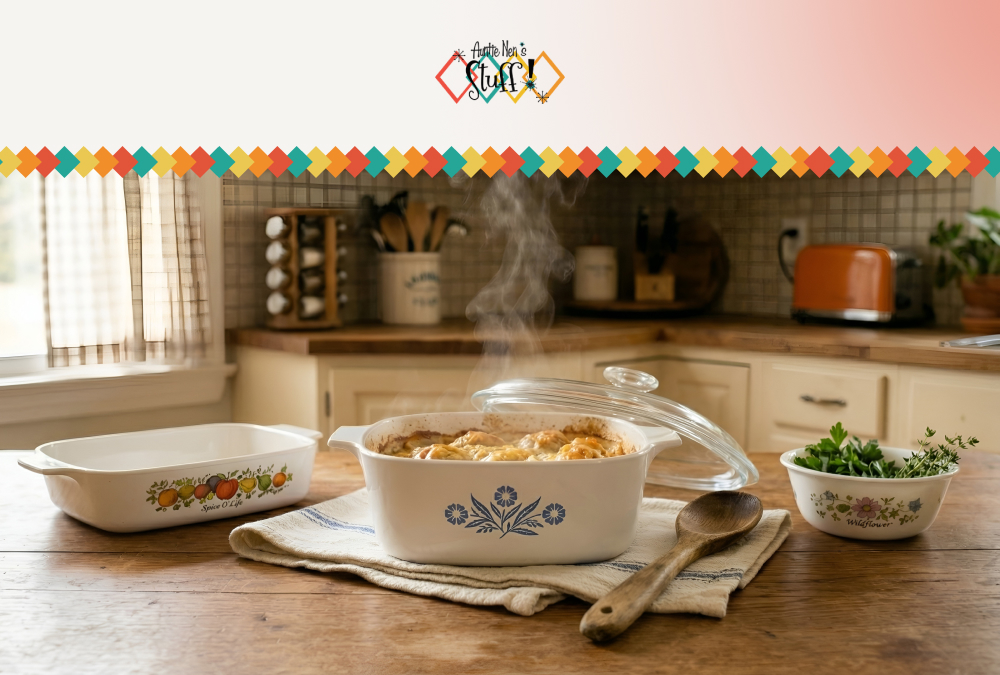
What is Blue Cornflower CorningWare, and why is it so popular? Blue Cornflower CorningWare is a line of glass-ceramic cookware introduced by Corning in 1958. It features a simple blue floral design on white stoneware. Its popularity comes from durability, nostalgic American design, and the fact that vintage pieces still work perfectly today. Collectors seek complete sets with matching lids.
You’ve seen it before. The white casserole dish with the small blue flower. It might have been in your grandmother’s kitchen. Or at a church potluck. It could also be found in a thrift store. Blue Cornflower CorningWare is everywhere. But that’s not an accident.
This cookware became one of the most popular kitchen items in American history. And it still sells well today. People collect it. They use it daily. And they pay good money for rare pieces.
Here’s why.
The History of Blue Cornflower CorningWare
Corning introduced the Blue Cornflower pattern in 1958. The timing was perfect. American families were cooking more at home. They wanted dishes that could go from oven to table. They wanted something that looked appealing and lasted.
CorningWare was made from Pyroceram. This was a glass-ceramic material originally developed for missile nose cones. It could handle extreme temperature changes. You could take a dish from the freezer and put it directly into a hot oven. It wouldn’t crack. That was a big deal in the 1950s.
The Blue Cornflower design was simple. A small blue flower with green leaves appeared on each piece. The rest was white. This clean look fit with mid-century kitchen aesthetics. It wasn’t too fancy. It wasn’t boring. It was just right.
Corning kept making Blue Cornflower pieces until the late 1980s. That’s about 30 years of production. Millions of pieces were sold. And that’s why you still find them everywhere.
Why the Design Worked So Well
The Blue Cornflower design was smart for a few reasons.
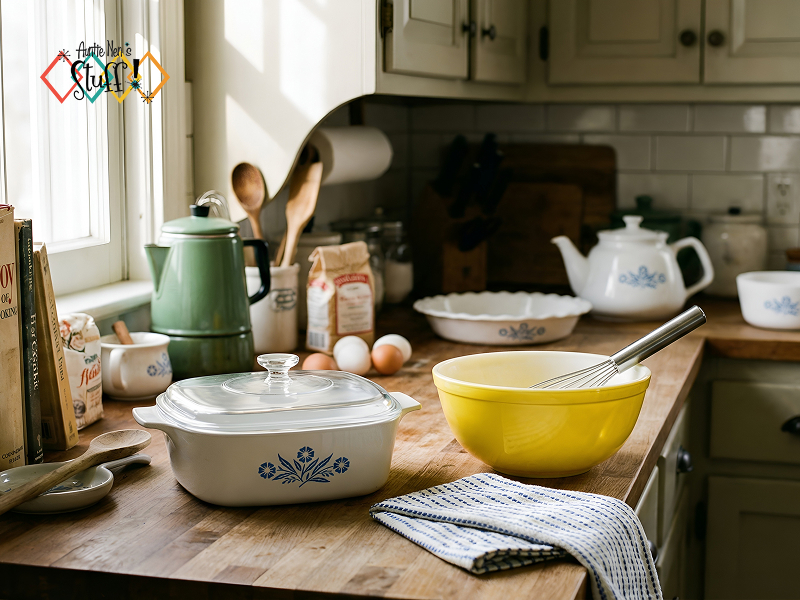
It matched any kitchen. The white base and blue flower didn’t clash with other patterns. You could put a blue cornflower dish next to a bright yellow mixing bowl, and it still looked fine.
It was recognizable. The design was consistent across all pieces. A casserole dish, a pie plate, and a teapot all had the same flower. This made the brand easy to spot.
It felt like home. For many Americans, blue cornflower CorningWare was what their mother used. That emotional connection is powerful. It’s why people still buy these pieces today.
What Blue Cornflower Pieces Are Most Valuable
Not all Blue Cornflower pieces are equal. Some are common. Others are rare and collectible. Here are the pieces collectors want most.
The teapot. The teapot is one of the most sought-after pieces. Corning didn’t make many teapots. A complete teapot with lid and basket in excellent condition can sell for $100 or more.
The divided dish. Casseroles with two or three sections are less common than the standard round casserole. They’re useful for serving multiple sides. Collectors pay a premium for them.
The Pyroceram percolator. Corning made coffee pots in the blue cornflower pattern. These are difficult to find. The lids and internal parts often go missing. A complete percolator is a real treasure.
The baby dish. Corning made small divided dishes for children. These are rare because they were often broken or thrown away. A baby dish in excellent condition can fetch good money.
Complete nested sets. Corning sold nesting casserole sets. These included three or four dishes with lids that fit inside each other. Complete sets with all lids and original packaging are worth significantly more than individual pieces.
Where to Find Blue Cornflower CorningWare
You can find blue cornflower pieces in several places.
Estate sales are the best option. Families often sell entire collections for low prices.
Thrift stores get CorningWare donations regularly. Check the cookware section every time you visit.
You may find success at garage sales. But prices are usually very low.
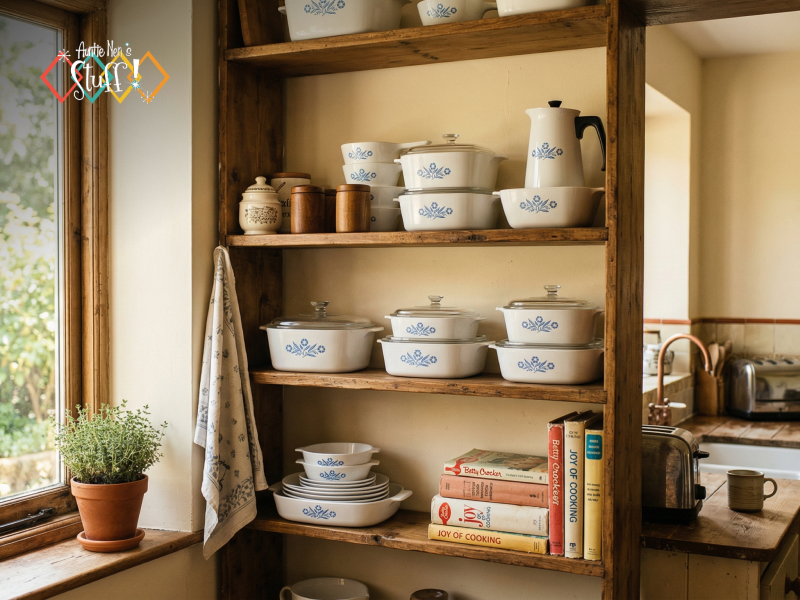
Online marketplaces like eBay and Etsy have many options. You’ll pay more, but you can find specific pieces you need.
Specialty vintage shops offer verified, restored pieces. For example, Auntie Nen’s Stuff curates vintage kitchenware from the 1940s to the 1970s. They carry CorningWare and Pyrex pieces. Each item is cleaned and described honestly. You pay more than thrift store prices, but you know exactly what you’re getting.
How to Identify Valuable Blue Cornflower Pieces
Before you buy or sell, learn what makes a piece valuable.
Check the stamp on the bottom. Early pieces have a specific Corning stamp. Later pieces look different. Collectors prefer the earlier versions.
Look for the word “Corning” in the logo. Some pieces say “CorningWare.” Others just say “Corning.” The older pieces with just “Corning” are worth more.
Examine the lid. Many casseroles are sold without lids. A lidless dish is worth much less. A complete dish with a matching lid is worth two to three times more.
Check for the metal cradle. Some CorningWare casseroles came with a metal holder for serving. These cradles are often missing. A dish with its original cradle is more valuable.
Inspect for damage. Look for chips on the rims. Check for cracks in the glass. Feel for rough spots. Any damage hurts value significantly.
How to Care for Blue Cornflower CorningWare
These pieces are durable, but they need proper care.
Don’t use a dishwasher. The detergent is too harsh. The blue flower can fade. It can also leave white marks on the surface.
Hand wash with mild soap. Use a soft sponge. Avoid abrasive scrubbers.
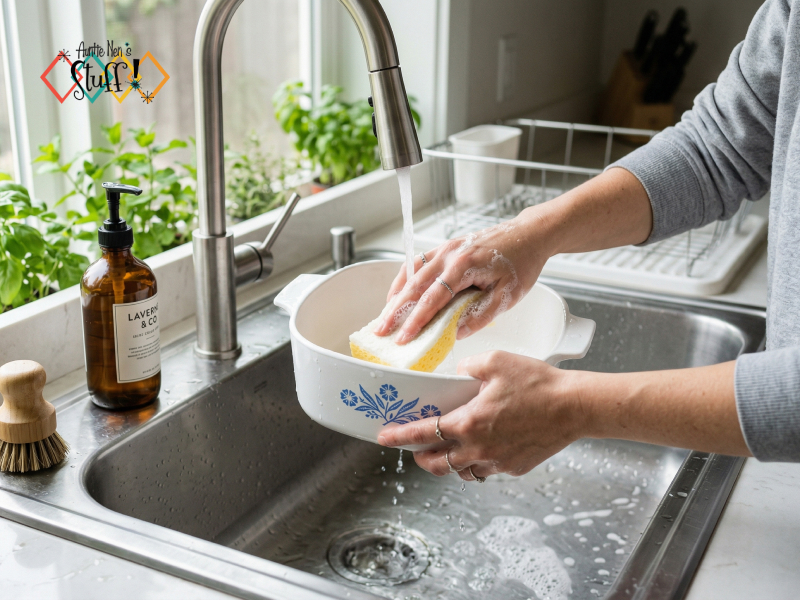
Don’t use metal utensils. They leave gray marks on the glass. Use wood, silicone, or plastic instead.
Remove metal marks with a cleaner. There are special cleaners made for CorningWare. Or you can use a paste of baking soda and water.
Store carefully. Stack pieces with padding between them. Lids can be stored separately to prevent chipping.
Are Newer Versions Worth Collecting?
Corning stopped making Blue Cornflower in the late 1980s. But the pattern was so popular that other companies have tried to copy it.
Some modern pieces look similar. But they’re not the same. The original CorningWare was made from Pyroceram. Newer pieces are often made from stoneware or ceramic. They don’t have the same thermal shock resistance.
If you want authentic vintage pieces, look for the Corning stamp. Check the material. Original Pyroceram feels different from modern ceramic. It’s lighter and smoother.
Why People Still Buy Blue Cornflower Today
There are several reasons this cookware remains popular.
It works. Vintage CorningWare cooks evenly. It goes from freezer to oven. It cleans up easily. People use it every day.
It’s nostalgic. Many people grew up with these dishes. Buying them brings back memories.

It’s affordable. Most pieces are still cheap. You can build a full set for less than the price of one new casserole dish.
It’s American-made. Original CorningWare was made in the United States. That matters to some buyers.
It’s sustainable. Buying vintage keeps functional items out of landfills. It’s a small but meaningful choice.
| Aspect |
Details |
| Introduced |
1958 by Corning |
| Material |
Pyroceram (glass-ceramic originally developed for missile nose cones) |
| Key Feature |
Withstands extreme temperature changes (freezer to oven without cracking) |
| Production Years |
1958 – late 1980s (approx. 30 years) |
| Design |
Simple blue cornflower with green leaves on white stoneware |
| Most Valuable Pieces |
Teapot ($100+), Pyroceram percolator, baby dish, divided dish, complete nested sets |
| Value Factors |
Early “Corning” stamp (vs “CorningWare”), matching lid (2-3x value), original metal cradle, no chips/cracks |
| Best Places to Buy |
Estate sales, thrift stores, garage sales, eBay/Etsy, specialty vintage shops (e.g., Auntie Nen’s Stuff) |
| Care Instructions |
Hand wash with mild soap; no dishwasher; no metal utensils; store with padding |
| Modern Copies |
Made of stoneware/ceramic – lack thermal shock resistance of original Pyroceram |
| Why Still Popular |
Durable, nostalgic, affordable, American-made, sustainable (keeps items out of landfills) |
The Bottom Line on Blue Cornflower CorningWare
Blue Cornflower CorningWare became popular for good reasons. It was durable. It looked lovely. It worked well. And millions of American families used it every day.
Today, these pieces are still useful. They’re also collectible. Some rare pieces are worth real money. But most pieces are still affordable.
If you want to start collecting, look for complete sets. Check for lids. Inspect for damage. And consider buying from trusted sources like Auntie Nen’s Stuff, where items are described honestly and shipped carefully.
The little blue flower has lasted for over 60 years. That’s not an accident. It’s good design. Good materials. And a pattern that people genuinely love.
FAQs
Q1) What is Blue Cornflower CorningWare and why is it so valuable?
Blue Cornflower CorningWare is a vintage line of glass-ceramic cookware introduced by Corning in 1958, featuring a simple blue floral design on a white base. Its value comes from its durability (made from Pyroceram, originally used for missile nose cones), nostalgic mid-century American design, and the fact that vintage pieces remain fully functional today. Rare pieces like the teapot, percolator, and baby dish can sell for over $100, with complete nested sets holding the highest collectible value.
Q2) How can I identify authentic vintage Blue Cornflower CorningWare?
To identify authentic pieces, check the bottom stamp – early versions say only “Corning” (more valuable) while later ones say “CorningWare.” Look for the Pyroceram material (lighter and smoother than modern ceramic), ensure the lid is present (a dish with its matching lid is worth 2-3x more), and inspect for the original metal cradle if applicable. Avoid modern stoneware or ceramic copies that lack the same thermal shock resistance.
Q3) Where is the best place to find Blue Cornflower CorningWare for sale?
The best places to find authentic Blue Cornflower CorningWare are estate sales (often entire collections at low prices), thrift stores, and garage sales. Online, eBay and Etsy offer specific pieces but at higher prices. For verified, restored items with honest descriptions, specialty vintage shops like Auntie Nen’s Stuff are recommended – they curate pieces from the 1940s-1970s and clean each item carefully.
Q4) How should I care for and clean vintage Blue Cornflower CorningWare?
Never use a dishwasher – harsh detergents can fade the blue flower and leave white marks. Instead, hand wash with mild soap and a soft sponge, avoiding abrasive scrubbers. Do not use metal utensils (they leave gray marks); opt for wood, silicone, or plastic. Remove metal marks with a baking soda paste or a specialized CorningWare cleaner. Store pieces with padding between them and keep lids separate to prevent chipping.
Q5) Is newer Blue Cornflower-style cookware as good as the original vintage version?
No. Corning stopped making authentic Blue Cornflower in the late 1980s. Modern pieces that look similar are typically made from stoneware or ceramic, not Pyroceram. They lack the original’s key benefit: the ability to go directly from freezer to hot oven without cracking. For true performance and collectibility, always look for the vintage Corning stamp and the Pyroceram material.